How to Layer Technical Outerwear for Cold Away Days
Master the art of layering technical outerwear to stay comfortable and protected during cold away days, whether you're exploring the city or enjoying outdoor activities.
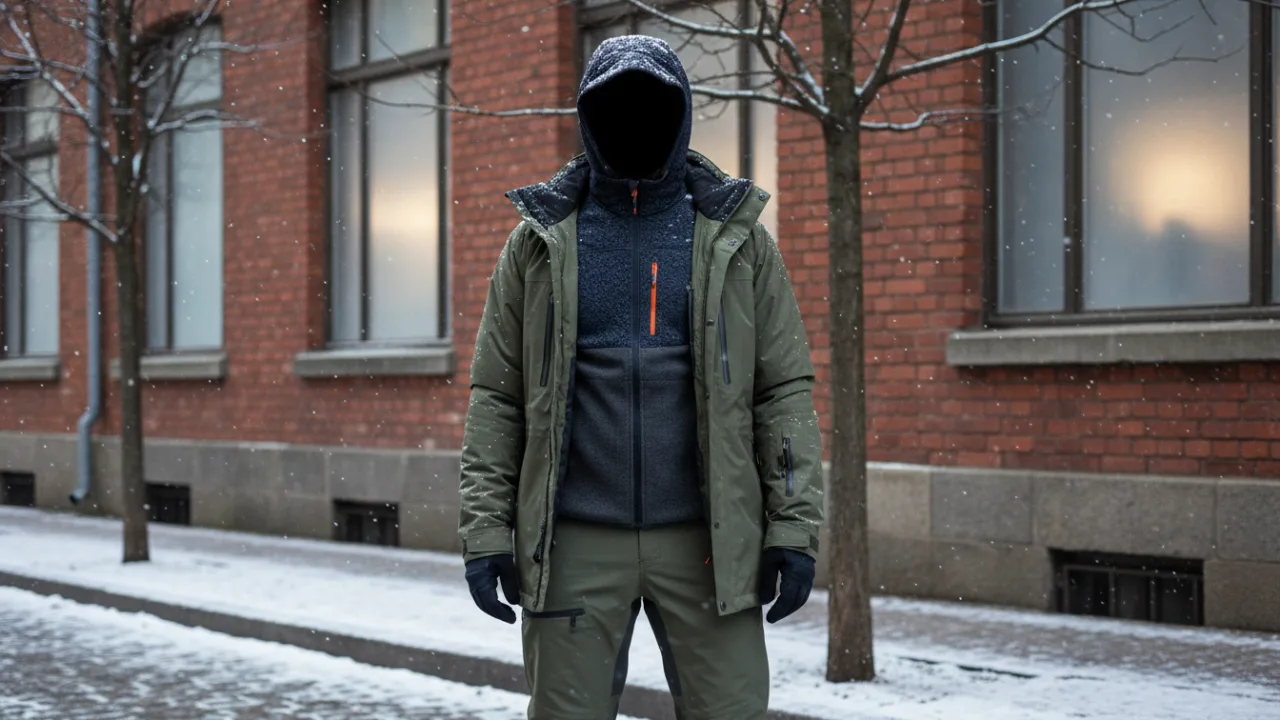
Key takeaways
- Choose moisture-wicking base layers to keep dry
- Use insulating mid-layers for warmth retention
- Select a waterproof and breathable outer shell
- Avoid over-layering to prevent overheating
Understanding the Basics of Layering Technical Outerwear
Layering technical outerwear is essential for managing body temperature and moisture in cold conditions. It involves combining different types of garments to create a system that adapts to changing weather and activity levels. This approach ensures you stay warm without sweating excessively, which can lead to discomfort.
Technical fabrics, such as those used in the , offer durability and weather resistance. By focusing on functionality, you can build a versatile outfit suitable for various cold-weather scenarios, from urban strolls to more demanding terraces.
Step-by-Step Guide to Effective Layering
- Step 1Start with a Base LayerChoose a moisture-wicking material like polyester or merino wool to pull sweat away from your skin. This keeps you dry and prevents chilling, especially during high-energy activities.
- Step 2Add an Insulating Mid-LayerLayer with fleece, down, or synthetic insulation to trap body heat. Options like the provide lightweight warmth without bulk, ideal for adjusting to temperature changes.
- Step 3Finish with a Protective Outer ShellSelect a waterproof and windproof jacket to shield against elements. Look for breathable fabrics to allow vapor escape, ensuring comfort during movement in rainy or snowy conditions.
Common Mistakes to Avoid When Layering
One frequent error is using too many layers, which restricts movement and causes overheating. Instead, opt for thinner, technical garments that offer better performance without added bulk.
Another mistake is neglecting breathability in the outer shell, leading to sweat buildup. For inspiration on balancing style and function, explore our .
Tips for Adapting Layers to Different Conditions
Adjust your layers based on activity level and weather forecasts. For low-intensity outings, you might need less insulation, whereas high-output activities require more breathable materials.
Incorporate versatile items that transition well from casual to technical settings. Footwear like the complements layered outfits for a cohesive look.
Effective layering is about balancing warmth, breathability, and mobility to enhance your cold-weather experience.
FAQs on Layering Technical Outerwear
Frequently asked questions
How many layers should I wear in very cold weather?
Typically, three layers—base, mid, and outer—are sufficient, but adjust based on personal comfort and activity. Avoid over-layering to prevent restricted movement.
Can I layer technical outerwear for casual urban wear?
Yes, many technical pieces are designed for style and function. For ideas, check out our .
What should I do if I start to feel too warm?
Remove the mid-layer or unzip vents on your outer shell to regulate temperature. Planning layers that are easy to adjust is key to comfort.
Is layering necessary for short cold-weather outings?
It depends on conditions, but even brief exposure can benefit from a base and outer layer to manage wind or moisture effectively.
Read also: Marshall Artist Nylon Overshirt Black Versatile black outerwear Br, Marshall Artist Nylon Overshirt Khaki Technical layering in khaki, British Terrace Fashion: A Guide to Casual Culture Brother Casual.